

Published 15 Jul 2024
Best Modern Web Design Trends: A Comprehensive Guide
Discover the top modern web design trends shaping the digital landscape. Learn how to enhance UX and drive engagement. Get a free quote!
Best Modern Web Design Trends: A Comprehensive Guide
Modern web design trends shape how users experience the digital world. Staying updated with these evolving design standards ensures your site remains visually compelling, highly functional, and competitive in a crowded market.
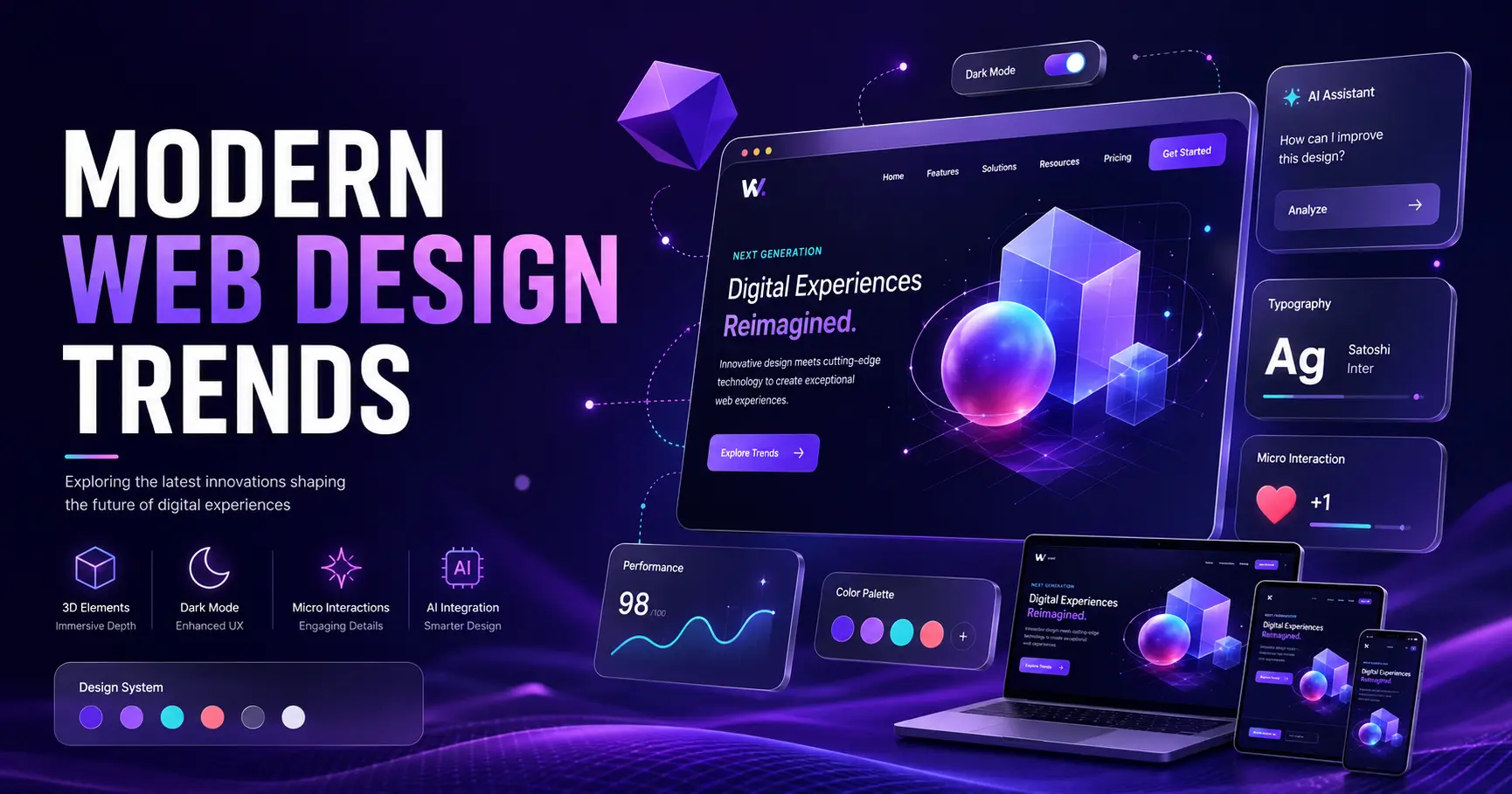
Quick Answer: Modern web design trends focus on enhancing user experience through minimalist aesthetics, dark mode, 3D elements, microinteractions, and AI-driven features like chatbots. Implementing these trends helps create websites that are not only visually striking but also highly intuitive and accessible.
The digital landscape never sits still. What felt cutting-edge a few years ago can quickly feel dated today. Let's explore the most impactful modern web design trends and how you can apply them effectively.
What Exactly Defines Modern Web Design?
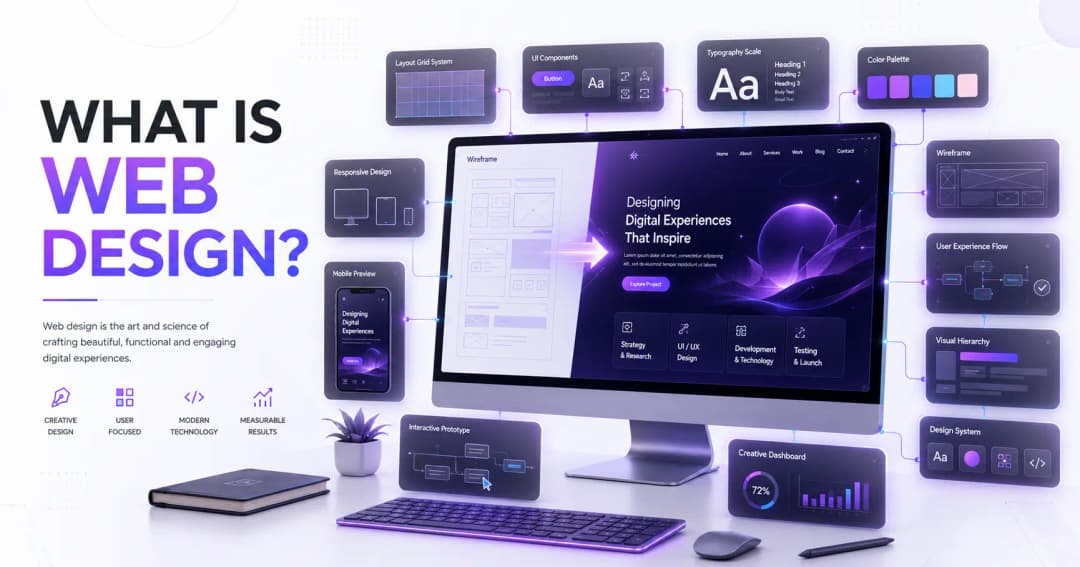
Modern web design has moved far past the cluttered, chaotic layouts of the early internet. Today, it’s defined by a ruthless focus on simplicity, speed, and user-centric functionality.
At its core, modern web design is about removing friction. It embraces clean, minimalist aesthetics where every element on the page earns its keep. If a button or graphic doesn't serve the user's journey, it doesn't belong there.
Key characteristics include:
Responsive layouts that fluidly adapt to any screen size
Intentional typography that sets the tone and guides the eye
Strict visual hierarchies that tell users exactly where to look first
High-performance architecture that loads instantly
The shift isn't just visual—it's philosophical. Modern web design trends prioritize how a site feels and functions over how much decorative flair it can cram above the fold.
Why Is Dark Mode a Dominant Web Design Trend?
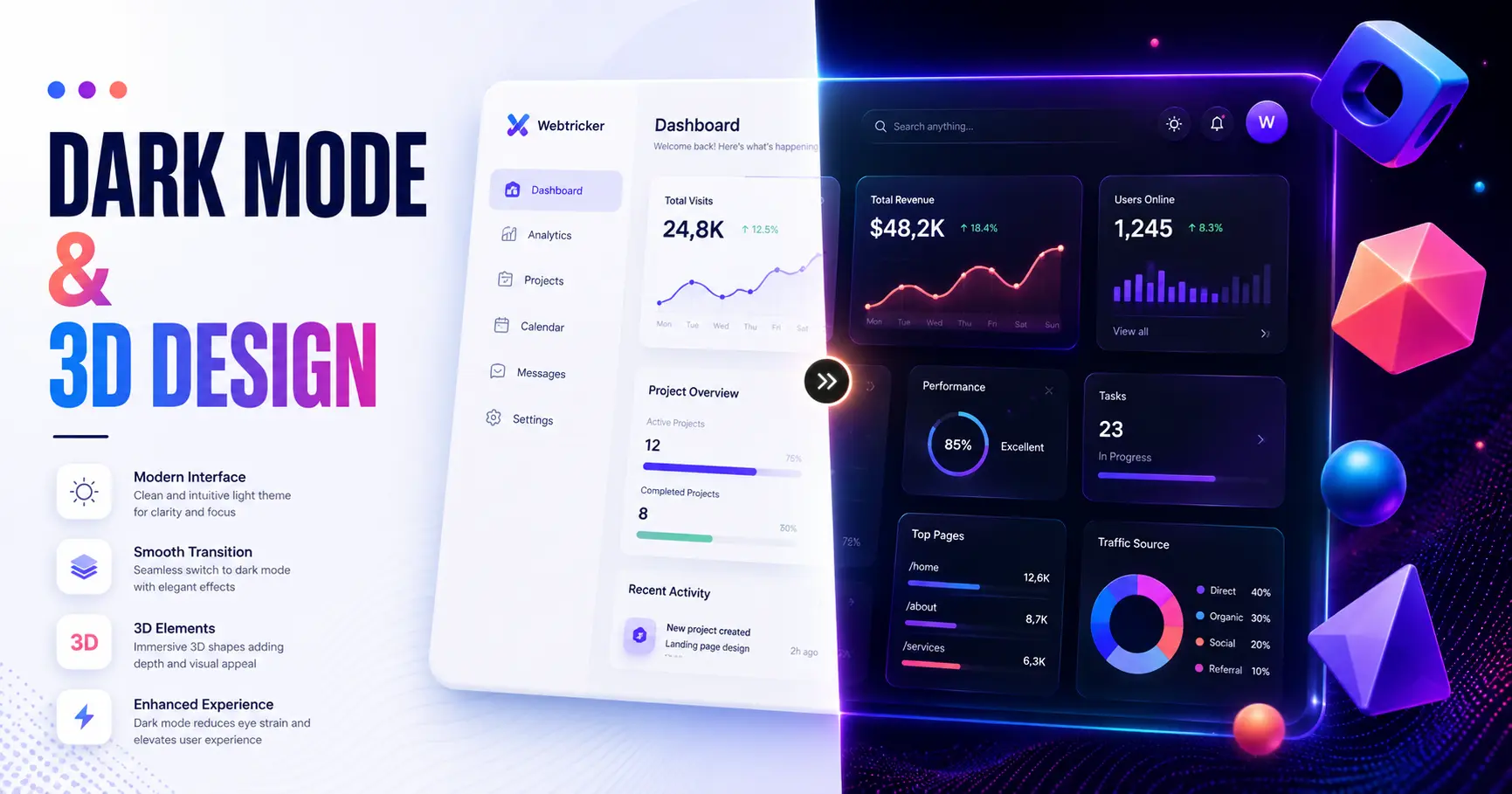
Dark mode has transcended from a niche developer preference to a mainstream design standard. But its popularity isn't just about looking sleek—though it certainly does that.
The practical benefits are substantial. For users, dark backgrounds with light text significantly reduce eye strain, especially in low-light environments. For device owners, dark mode can save up to 60% of battery life on devices with OLED screens, according to Android's official research.
Implementing dark mode isn't as simple as inverting colors. It requires thoughtful design to maintain readability, ensure sufficient contrast ratios for accessibility, and preserve the brand's visual identity. The best modern web design trends handle this by offering a seamless toggle, letting users choose their preferred viewing experience without disrupting their workflow.
Dark mode is no longer an afterthought. It's a baseline expectation for premium digital products.
How Do 3D Elements and Illustrations Enhance Websites?
Flat design had a long reign, but depth is making a serious comeback. Integrating 3D elements and illustrations into web design adds a layer of sophistication that static 2D graphics struggle to match.
When used correctly, 3D graphics make product showcases incredibly immersive. Instead of looking at a flat image, users can rotate, zoom, and interact with a product as if it were right in front of them. This interactive storytelling dramatically increases user engagement.
However, there's a catch. 3D assets are heavy. Poorly optimized 3D elements can cripple your site's load time. The trick is using them strategically—perhaps as a hero section focal point—while ensuring the rest of the site remains lightning-fast.
Should You Use Neumorphism in Your Projects?
Neumorphism—a portmanteau of "new" and "skeuomorphism"—is one of the more polarizing modern web design trends. It creates soft, extruded shapes by combining a flat background with subtle, dual shadows (one light, one dark), making UI elements look like they're physically pushing through the screen.
The result is a highly tactile, clean aesthetic that feels incredibly modern.
But tread carefully. While neumorphism looks beautiful, it often falls short on accessibility. The low-contrast color palettes can make text and interactive elements difficult to distinguish for users with visual impairments. If you choose to explore neumorphism, limit it to decorative elements or supplementary UI features, and always provide high-contrast alternatives for critical navigation and text.
What Role Do Microinteractions Play in User Experience?
Have you ever noticed a button subtly change color when you hover over it? Or seen a satisfying loading animation while a page pulls data? Those are microinteractions.
These tiny, functional animations provide immediate feedback to the user. They acknowledge an action has been received—a critical component of intuitive UX design. Without microinteractions, websites feel dead and unresponsive. With them, they feel alive.
Good microinteractions are invisible when they work, but sorely missed when they're absent. They guide users through complex forms, indicate successful submissions, and add a layer of polish that separates amateur sites from professional ones. The key is subtlety; they should enhance the experience, not distract from the content.
Are Asymmetrical Layouts Effective for Navigation?
Breaking away from the rigid, uniform grid is a refreshing trend that's gaining serious traction. Asymmetrical layouts deliberately place elements in unconventional, non-linear arrangements.
Why do this? It creates visual tension and dynamism. An asymmetrical layout naturally guides the user's eye along a specific path, making the storytelling aspect of the design more engaging. It helps important elements stand out simply because they break the expected pattern.
The challenge is balance. A poorly executed asymmetrical layout just looks broken and confusing. The goal isn't chaos, but rather a deliberate, weighted imbalance where the visual gravity of the elements still feels stable.
How Is AI Integration Changing Web Interfaces?
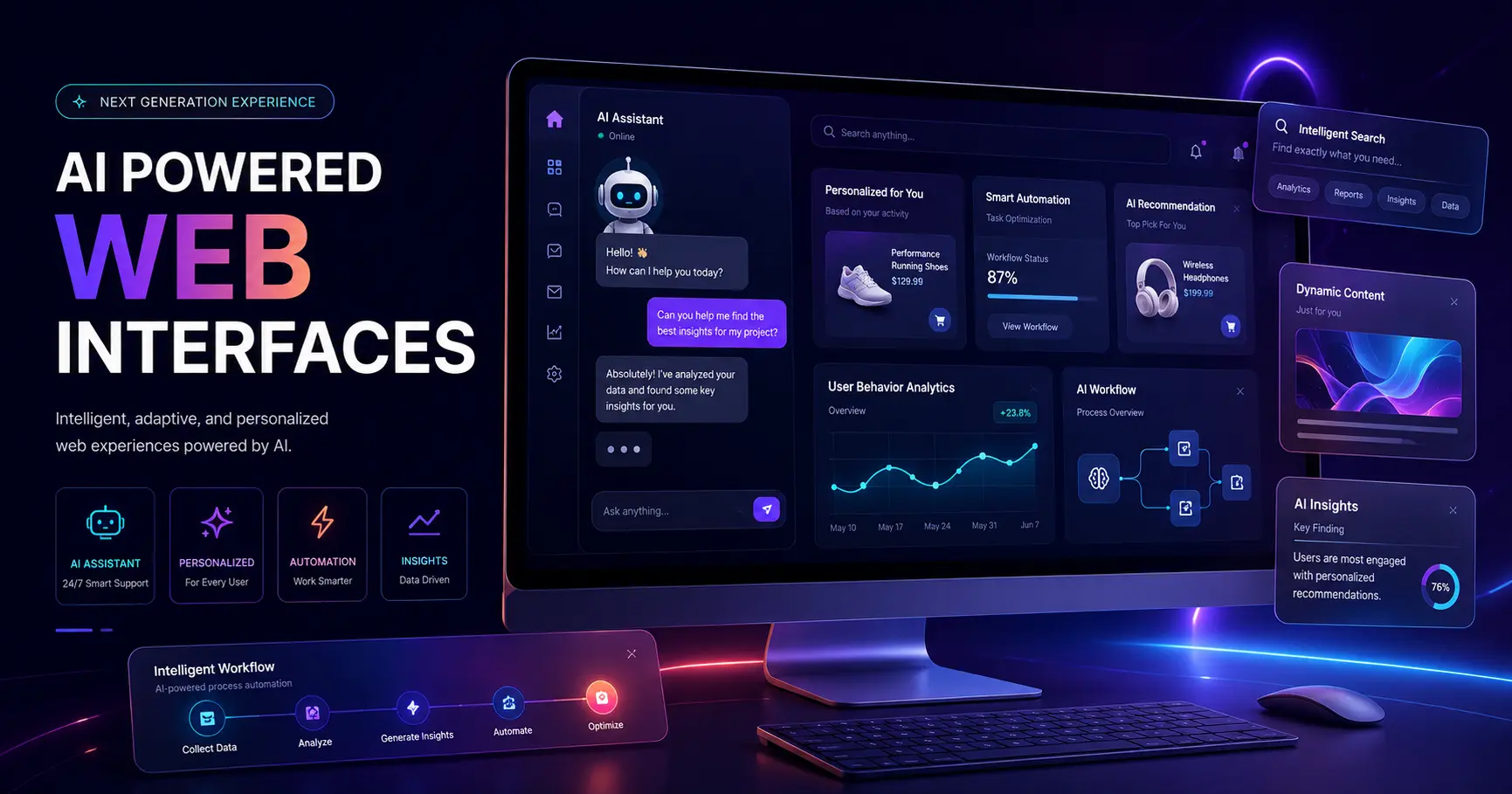
Artificial intelligence is fundamentally shifting websites from static brochures to dynamic, personalized experiences. The most visible manifestation of this is the rise of AI-powered chatbots.
Gone are the days of clunky, script-based bots. Modern AI chatbots can handle complex customer queries, guide users through sprawling websites, and offer personalized product recommendations in real-time. According to Salesforce's State of the Connected Customer report, 69% of consumers prefer using chatbots for quick communication with brands because they provide instant answers.
But AI's role extends beyond chat windows. It's being used to analyze user behavior in real-time, dynamically rearranging page content to highlight the products or articles a specific visitor is most likely to engage with. This level of personalization is rapidly becoming a cornerstone of modern web design trends.
What Are the Best Practices for Adopting These Design Trends?
Trends are tools, not rules. Blindly slapping dark mode or 3D graphics onto a site without a strategic foundation is a recipe for a bloated, confusing mess.
How do you adopt these trends the right way?
Prioritize User Experience (UX) above all else. Every design decision must answer one question: Does this make the website easier or more enjoyable to use? If a trendy animation slows down the checkout process, drop it.
Champion accessibility and inclusivity. The web is for everyone. Ensure your color contrasts meet WCAG standards, all images have descriptive alt text, and your site is fully navigable via keyboard. Designing for inclusivity doesn't limit creativity; it sharpens it.
Optimize performance relentlessly. A beautiful website that takes 6 seconds to load is a failure. Research from Google shows that 53% of mobile users abandon sites that take longer than 3 seconds to load. Compress your 3D assets, minify your CSS and JavaScript, and use lazy loading for images and videos.
The best modern web design trends are invisible. When design is done right, users don't notice the layout, the microinteractions, or the dark mode—they just notice that the site feels incredibly easy and enjoyable to use.
Frequently Asked Questions
What is the most important modern web design trend?
User experience (UX) optimization is the most critical trend. While visual elements like dark mode and 3D graphics come and go, prioritizing fast load times, intuitive navigation, and seamless interactions remains the foundation of all successful web design.
Is neomorphism still a relevant design trend?
Neomorphism is highly debated. While it offers a unique, tactile aesthetic, it often suffers from poor accessibility due to low color contrast. It is best used sparingly for decorative elements rather than primary navigation or text.
How does dark mode affect website SEO?
Dark mode itself doesn't directly impact SEO rankings. However, by reducing eye strain and saving battery life, it can significantly improve user engagement metrics like time-on-page and lower bounce rates, which indirectly benefit SEO.
Are 3D elements bad for website performance?
3D elements can significantly slow down a website if they are not properly optimized. To use them safely, compress 3D assets, use WebGL efficiently, and consider lazy-loading them so they don't block the initial page render.
What is a voice user interface (VUI) in web design?
A Voice User Interface (VUI) allows users to interact with a website using voice commands rather than traditional clicks and typing. As voice search grows, designing websites that can interpret and respond to natural language queries is becoming increasingly important.
How often should I update my website design?
You should evaluate your website design every 2 to 3 years, or sooner if your site looks noticeably outdated compared to competitors. However, you should continuously iterate on UX, performance, and accessibility rather than waiting for a total redesign.
Build a Website That Looks Stunning and Performs Flawlessly
Keeping pace with modern web design trends isn't about chasing every shiny new feature. It's about understanding how tools like dark mode, 3D elements, and AI can be strategically leveraged to create better, more human-centric digital experiences.
When you strip away the buzzwords, great web design comes down to respect for the user's time and attention. By combining these contemporary aesthetics with rigorous performance optimization and accessibility standards, you create a website that doesn't just attract visitors—it converts them.
Ready to elevate your digital presence with cutting-edge design?